While poker is fundamentally a game against opponents, you can actually improve significantly through “solo practice” alone. This article carefully selects and introduces practice methods that “can be done solo with creativity” for beginners to intermediate players. We’ll thoroughly explain immediately actionable training menus including cards, apps, and vocal training.
- Why is “Solo Practice” Effective?
- Level-Based Solo Practice Menu Quick Reference
- Hand-Making Practice with Cards and Chips
- Headphone Poker: Improve Just by Speaking Out
- “Theory-Based Practice” Using GTO Apps
- Donkey Solitaire: Solo Poker Combat
- Video × Pause Playback to “Peek into Pro Minds”
- Vocal Hand Range & Odds Calculation Practice
- Tips and Precautions for Continuing Solo Practice
- Summary
- FAQ
Why is “Solo Practice” Effective?
Even without opponents, you can expect the following skill improvements:
- Enhanced hand understanding and judgment: You can thoroughly examine card combinations at your own pace
- Thought organization techniques: Practice systematically repeating betting decisions in your head
- Easy to form habits: You can repeat training at your preferred pace without time constraints
- Aggression control: Train rational judgment without being swayed by emotions
Level-Based Solo Practice Menu Quick Reference
| Practice Method | Target Level | Specific Content | Expected Benefits |
|---|---|---|---|
| Hand-making practice with cards | Beginner | Draw 5 random cards and determine hands. Repeat while keeping records. | Master basic hands and develop combination intuition |
| Headphone Poker | Beginner~Intermediate | Voice out decisions for dealt hands while blocking external sounds | Verbalize and solidify thinking, strengthen mental game |
| GTO App Practice | Intermediate | Learn optimal actions using “Solver” or “DTO” | Improve equity-based judgment and develop logical play |
| Solitaire-style live simulation | Beginner~Intermediate | Arrange multiple hands and simulate everyone’s thinking solo | Train overall perspective and enhance strategic construction |
| Video study + Stop & Analysis | All levels | Pause pro game videos while reproducing and comparing thoughts | Develop application skills and decision speed |
| Vocal odds training | Intermediate | Voice out odds and win rates for your hands on the spot | Solidify pot odds and equity sense, speed up mathematical decisions |
Hand-Making Practice with Cards and Chips

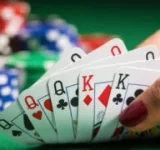
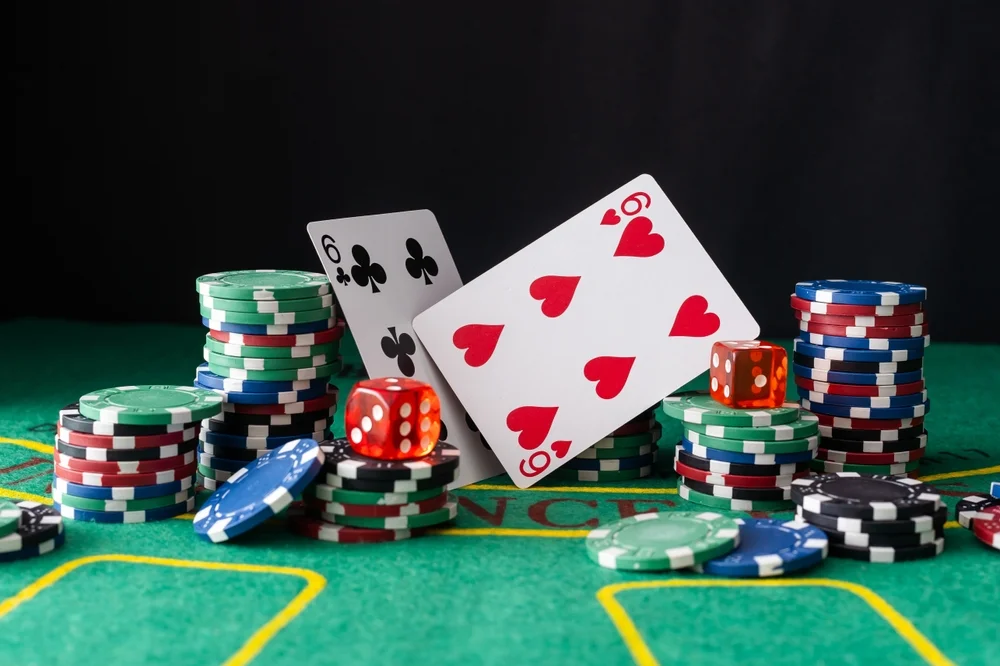
Regular poker chips and playing cards are sufficient. Practice shuffling cards alone and determining hands from 5 randomly dealt cards.
- Measure how many hands you can complete in 10 minutes
- Clarify differences between similar hands (e.g., straight vs flush)
- Note combinations you frequently mistake
Through repetition, hand patterns will “soak into your body.”
Headphone Poker: Improve Just by Speaking Out
Practice displaying random poker hands on your smartphone and “voicing out” your decisions. It’s essentially “commentary-style solo talking.”
- Example: “K♠ Q♣… this hand is a fold from UTG”
- Reduces hesitation in actual play (decision rationale is organized beforehand)
- Brain thoughts become verbalized and easier to objectify
Headphones increase immersion and make it easier to form habits.
“Theory-Based Practice” Using GTO Apps
GTO (Game Theory Optimal) apps are suitable for learning theoretically correct play. Options include “Solver,” “PioSOLVER,” and “DTO Poker.”
While it may feel difficult until you get used to the interface, you’ll develop low-error judgment and range awareness.
Donkey Solitaire: Solo Poker Combat
“Donkey Solitaire” is a method where you simulate by controlling multiple players’ hands alone.
- Deal cards for 6 players and reproduce everyone’s play using only your thinking
- Objectively evaluate each hand’s strength and situation
- Verify by having a showdown at the end
The greatest advantage is experiencing “other players’ perspectives.”
Video × Pause Playback to “Peek into Pro Minds”
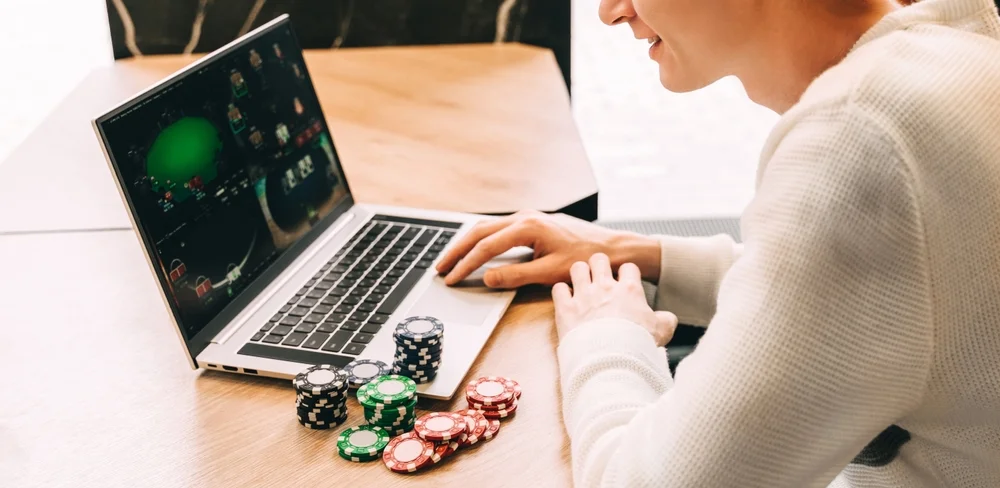
Play famous pros’ game videos and pause to think “What would I do here?”
- Use the continuation as an answer check
- Note differences between yourself and pros
- Develop application skills
You can also utilize videos with commentary or streams with English subtitles.
Vocal Hand Range & Odds Calculation Practice
Look at your hand and voice out whether you should participate, also roughly calculating odds and win rates.
Examples: “What’s the nuts on this board?” “What’s the chance of beating top pair?”
Speaking out loud helps with memory retention and speeds up equity judgment.
Tips and Precautions for Continuing Solo Practice
- Focus on “short sessions × daily”: Even 30 minutes is fine. Consistency is key
- Keep records: Note practice menus and insights
- Narrow your focus: Concentrate on one theme per practice session
Also, training without clear answers can become stressful, so it’s important to end within an “enjoyable range.”
Summary
While poker is fundamentally about facing opponents, solo practice is quite possible. Modern solo practice has diversified to include using cards, speaking out loud, using apps, and learning from videos. By choosing methods that suit you and continuing without strain, you will definitely build real strength.
FAQ
Q. Can I become winning just through solo practice?
A. While application in actual opponent play is necessary, foundational skills and decision-making basics can be sufficiently developed through solo practice.
Q. Should beginners use GTO?
A. There’s no need to force its introduction. It’s recommended to learn basic ranges first, then gradually incorporate GTO.
Q. Should I change practice menus daily?
A. Initially, focus on one method for repetition. Once comfortable, changing weekly can be effective for variation.