To fully enjoy the appeal of poker, knowledge of hands (poker combinations) is essential. While memorizing many different hands may seem difficult for beginners at first glance, you can master them quickly once you get the hang of it. This article introduces efficient methods for memorizing poker hands and provides an easy-to-understand quick reference chart with illustrations showing hand strength.
- Poker Hand Rankings and Strength Quick Reference Chart
- 10 Techniques to Make Memorization Easier
- 1. Memory anchoring with wordplay
- 2. Repetitive learning with flashcards
- 3. Focus on frequency rankings
- 4. Build real experience through online practice
- 5. Create diagrams and post them on walls
- 6. Learn through role-playing and speaking aloud
- 7. Associate with memorable phrases
- 8. Turn strength hierarchy into stories
- 9. Writing practice training
- 10. Repetitive checking with quiz format
- Three Benefits of Memorizing Poker Hands
- Tips for Finding Your Personal Learning Style
- Frequently Asked Questions (FAQ)
- Summary
Poker Hand Rankings and Strength Quick Reference Chart
Below is a quick reference chart listing representative poker hands in order from strongest to weakest. It’s structured with an emphasis on memorability and visual clarity.
| Hand Name | Composition | Rank | Memory Hint |
|---|---|---|---|
| Royal Straight Flush | A, K, Q, J, 10 (same suit) | 1st (Strongest) | Remember the royal sequence. “Ace is strongest” “Numbers 10-A” |
| Straight Flush | 5 consecutive cards (same suit) | 2nd | Same suit in staircase pattern |
| Four of a Kind | Four cards of same rank | 3rd | Four matching numbers pack a punch |
| Full House | Three of a kind + pair (different ranks) | 4th | House with 3 people + 2 people |
| Flush | Five cards of same suit | 5th | Matching suits make a flush |
| Straight | Five consecutive cards (suits don’t matter) | 6th | Different colored staircase |
| Three of a Kind | Three cards of same rank | 7th | Three matching cards are easy to remember |
| Two Pair | Two sets of pairs | 8th | Two couples present |
| One Pair | Two cards of same rank | 9th | One couple |
| High Card | No hand (compete with highest card) | 10th (Weakest) | Even without a hand, an ace might win |
10 Techniques to Make Memorization Easier

1. Memory anchoring with wordplay
Create stories about hand compositions like “A house has 3 people (Three of a Kind) and 2 people (Two Pair) for a Full House” to make memorization easier.
2. Repetitive learning with flashcards
Create handmade cards and flip through them repeatedly. The repetition of seeing, writing, and reading is effective.
3. Focus on frequency rankings
Start by mastering common hands like “One Pair” and “Two Pair” first.
4. Build real experience through online practice
Get familiar with how hands work and appear through actual play on apps and free sites.
5. Create diagrams and post them on walls
Posting quick reference charts where you’ll see them helps unconscious memory retention.
6. Learn through role-playing and speaking aloud
Saying “This is Three of a Kind! This is a Full House!” aloud activates the brain.
7. Associate with memorable phrases
Examples: “Four of a Kind are the Four Heavenly Kings,” “Royal is five royalty members” – create memorable phrases.
8. Turn strength hierarchy into stories
“Royalty (Royal) ranks higher than the army (Four of a Kind)” – create hierarchical stories.
9. Writing practice training
Writing out hands and compositions daily strengthens the connection between hand and memory.
10. Repetitive checking with quiz format
Having family or friends quiz you with “What hand is this?” makes memorization fun.
Three Benefits of Memorizing Poker Hands
Thoroughly memorizing poker hands has value beyond just understanding rules. Let’s examine how memorizing hands improves play quality from three perspectives:
1. Faster assessment of winning chances
Being able to instantly judge how strong your hand is enables quick betting and folding decisions. This is a step away from the beginner trap of “just calling anyway.”
2. Develops ability to read opponents’ hands
By observing community cards and opponent reactions, you can deduce “the opponent might be going for that hand.” This dramatically improves bluffing and counter-strategy accuracy.
3. Enables calm strategic planning
Hand knowledge allows you to calmly judge when to fight and when to retreat. Being able to make logical decisions without being swayed by emotions directly leads to long-term win rate improvement.
Tips for Finding Your Personal Learning Style
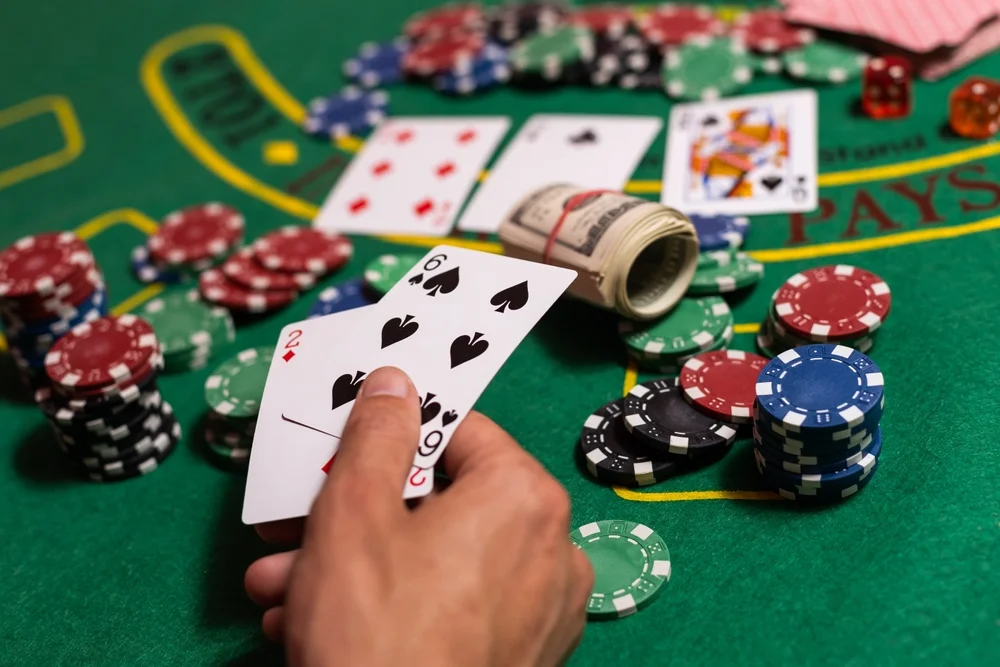
Since learning styles vary by person, choosing methods that suit you enables stress-free, efficient memorization. Here are representative learning styles and appropriate memorization methods for each:
1. Visual Type
People good at remembering through colors and shapes should effectively use charts and illustrated hand lists. Posting colored card diagrams for different hands on walls is also recommended.
2. Auditory Type
People who easily remember heard information can memorize by reading hand names and compositions aloud or recording and repeatedly listening to them. Creating musical mnemonics is also excellent.
3. Kinesthetic Type
People good at memorizing while moving should recreate hands with actual playing cards or use gestures and acting to help memory retention.
If you don’t know your learning style, try several methods and adopt ones that feel enjoyable or seem sustainable. Learning in a comfortable way is the secret to consistency.
Frequently Asked Questions (FAQ)
Q1. What’s the most common hand?
A1. One Pair is most common and the easiest hand for beginners to win with.
Q2. How can I completely memorize the strength order?
A2. Daily review of quick reference charts combined with mnemonics and practice apps is effective.
Q3. What’s the probability of getting a Royal Straight Flush?
A3. It’s extremely rare, with a probability of approximately 0.00015%.
Summary
Memorizing poker hands is the first step to winning at the game. By correctly understanding strength order and experiencing it repeatedly in actual play, it will naturally stick in your memory.
Use quick reference charts, mnemonics, apps, and card learning to master hands comfortably with methods that suit you. Once you memorize the hands, you’ll be able to enjoy poker’s depth even more!
📚 More Articles to Read Next
- How to Get Better at Poker | Step Guide from Beginner to Advanced
- The Latest 2025 Poker Course for Beginners
- KKPoker Complete Guide 2026: Registration, Invitation Codes, Deposits, Bonuses
- A Serious Approach to Poker: Strategy, Mindset, Rules, and Tournaments
- Boost Win Rates in Spare Moments: Enjoy Poker Improve