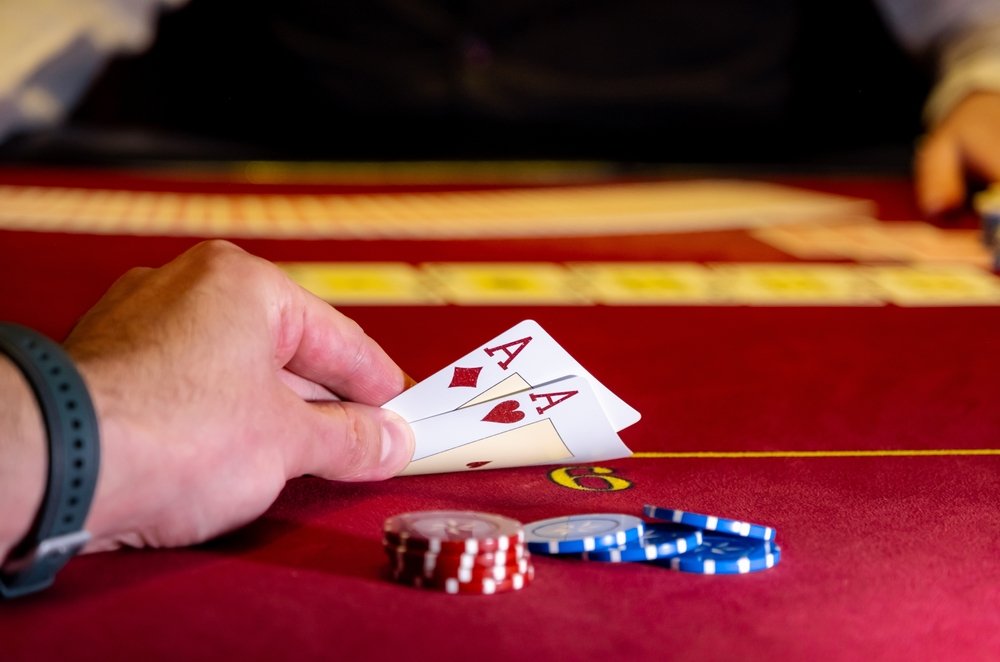
In poker, the selection of your initial two cards (starting hand) significantly influences whether you win or lose.
This article provides a ranking of starting hands and detailed explanations for each. Use this to build your strategy, whether you’re a beginner or intermediate player.
Starting Hand Quick Reference Chart
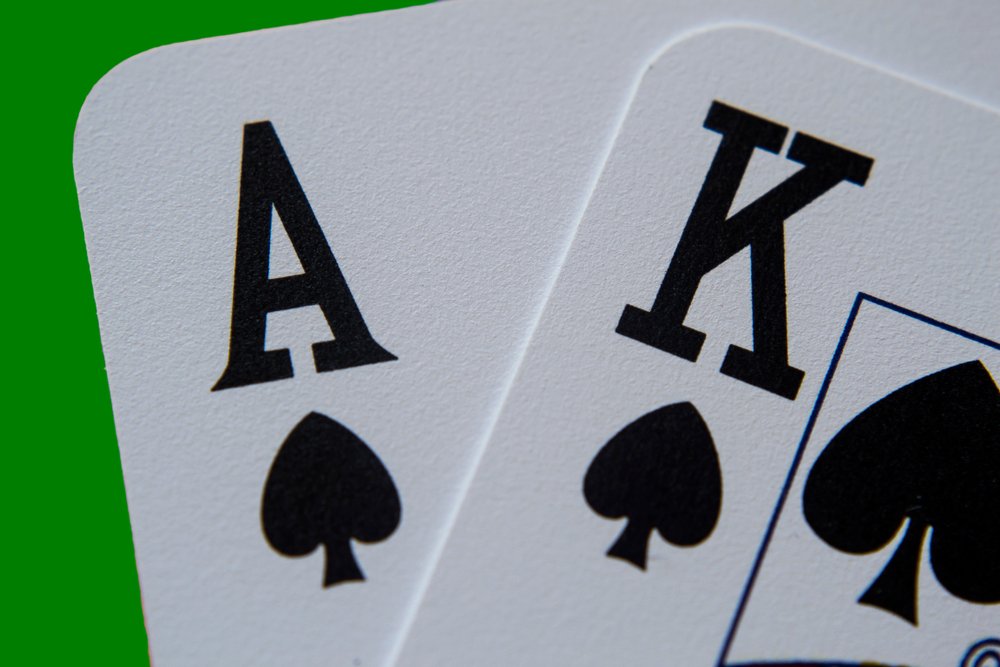
The table below shows the strength of starting hands. Hands are classified as suited (same suit) or offsuit (different suits) and ranked based on general strength.
| Rank | Hand | Classification | Explanation |
|---|---|---|---|
| 1 | AA | Pocket Pair | The strongest starting hand. Can be played aggressively from any position. |
| 2 | KK | Pocket Pair | Second in strength to AA. Inferior against AA, but very powerful against everything else. |
| 3 | Pocket Pair | High Pocket Pair. A top pocket pair. Need to be cautious of overcards on the flop. | |
| 4 | JJ | Pocket Pair | Strong hand, but be cautious of Q or higher cards on the flop. |
| 5 | AKs | Suited Broadway | Has high win rate. Potential for flushes and straights. |
| 6 | TT | Pocket Pair | Medium Pocket Pair. Be careful of overcards on the flop. |
| 7 | AKo | Offsuit Broadway | Strong hand, but slightly weaker than its suited counterpart. |
| 8 | AQs | Suited Broadway | Has high win rate. Potential for flushes and straights. |
| 9 | 99 | Pocket Pair | Medium Pocket Pair.Be careful of overcards on the flop. |
| 10 | AJs | Suited Broadway | Has high win rate. Potential for flushes and straights. |
Detailed Explanation of Each Hand
AA (Pocket Aces)
The strongest starting hand that should be played aggressively from any position. It has an extremely high pre-flop win rate and overwhelming advantage over other hands.
KK (Pocket Kings)
A hand second only to AA in strength. While inferior to AA, it is very powerful against all other hands. Aggressive pre-flop play is recommended.
QQ (Pocket Queens)
A top pocket pair and strong hand. However, be careful of overcards (K or A) on the flop. Play considering your position and opponent’s actions.
JJ (Pocket Jacks)
A strong hand, but caution is needed with Q or higher cards on the flop. Careful play is required based on opponent’s actions and board situation.
AKs (Suited Ace-King)
A hand with high win rate and potential for flushes and straights. Aggressive pre-flop play is recommended, but respond flexibly based on the flop situation.
TT (Pocket Tens)
A medium pocket pair requiring caution with overcards on the flop. Careful play is needed based on opponent’s actions and board situation.
AKo (Offsuit Ace-King)
A strong hand, though slightly weaker than its suited counterpart. Aggressive pre-flop play is recommended, but respond flexibly based on the flop situation.
AQs (Suited Ace-Queen)
A hand with high win rate and potential for flushes and straights. Aggressive pre-flop play is recommended, but respond flexibly based on the flop situation.
99 (Pocket Nines)
A medium pocket pair requiring caution with overcards on the flop. Careful play is needed based on opponent’s actions and board situation.
AJs (Suited Ace-Jack)
A hand with high win rate and potential for flushes and straights. Aggressive pre-flop play is recommended, but respond flexibly based on the flop situation.
Summary
The selection of starting hands greatly influences the outcome in poker. Please refer to the chart and explanation above to understand the characteristics of each hand and build a strategy according to the situation.
As you gain experience, you will be able to make more appropriate decisions.
Frequently Asked Questions (FAQ)
Q1: What are the criteria for selecting starting hands?
A1: You should consider a combination of hand strength, position, and opponents’ playing styles when making your selection.
Q2: What’s the difference between suited and offsuit hands?
A2: Suited hands have cards of the same suit, while offsuit hands have cards of different suits. Suited hands are generally valued higher because they have potential for flushes.
Q3: Are pocket pairs always strong?
A3: High pocket pairs (AA, KK, QQ) are very powerful, but lower pairs (77 and below) require careful play depending on the flop board.
Q4: What’s most important when considering starting hands?
A4: While the absolute strength of a hand is important, situational awareness such as position, table dynamics, and opponent tendencies are even more crucial.
Q5: Are hands outside the rankings always weak?
A5: Not necessarily. Small pairs and connectors (cards with consecutive numbers) can develop into powerful hands on the flop, making them effective in certain situations.
📚 More Articles to Read Next
- GGPoker Complete Guide 2026: Registration, PokerCraft, WSOP, Crypto Deposits Le
- PokerStars Complete Guide 2026: How to Register, Deposit, Withdraw, Bonuses Leg
- Balancing Concentration and Emotion in Poker: Overcoming Doubt and Anxiety
- Essential Thinking And Small Steps For Real-World Poker Success
- Mental Control Techniques for Overwhelming Victory in Poker








コメント