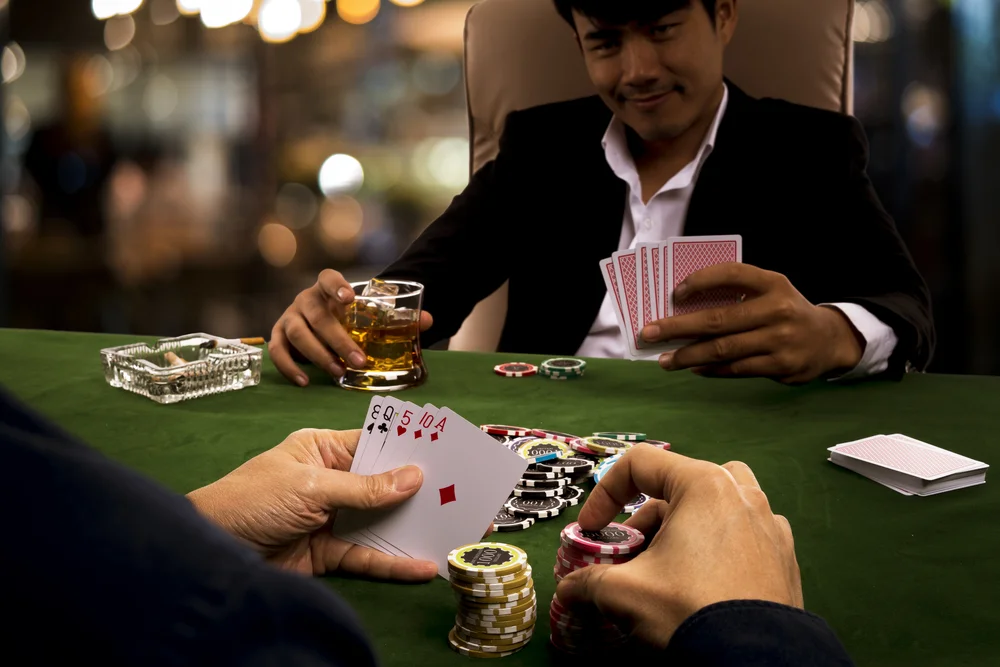
In poker, strength isn’t determined solely by the luck of the cards. What truly decides victory or defeat is the “psychological battle.” The skill to conceal your own hand while reading your opponent’s true intentions can dramatically change your win rate.
This article thoroughly explains “psychological warfare techniques” that poker players from beginner to intermediate level can use. We’ve compiled easy-to-understand practical techniques including how to read facial expressions, betting timing, and psychological duels with opponents that you can implement immediately.
Poker Psychology Quick Reference
| Psychological Technique | Content | Effect |
|---|---|---|
| Timing Manipulation | Deliberately take time to bet, pretending to think | Makes strong hands appear weak or convinces opponents of bluffs |
| Emotional Control | Maintain consistent facial expressions and movements | Increases defensive capability by preventing emotion reading |
| Reverse Psychology Induction | Deliberately act confident to hide weak hands | Confuses opponent’s thinking and dulls their judgment |
| Micro-expression Observation | Don’t miss momentary changes in facial expressions | Can catch leaks of true feelings and emotions about cards |
| Pattern Memory | Record opponent’s past actions and betting patterns | Makes reading easier when similar tendencies appear |
Taking Control Through Timing Manipulation
Among psychological tactics, “time” is a crucial weapon. By taking time with bets and checks, or conversely making instant decisions, you can make opponents think you appear “strong” or “weak.”
For example:
- Strong hand → Instant bet: Creates a confident impression and makes opponents fold
- Weak hand → Deliberate thinking: Makes bluffs more believable
However, overdoing it can expose your “acting,” so it’s recommended to practice random timing variations regularly.
Creating an “Unreadable” Self Through Emotional Control

Emotions inevitably show in facial expressions and body movements. While maintaining a poker face is ideal, beginners often let their expressions slip. The key here is being conscious of “routinized movements.”
For example:
- Always handle cards with the same hand movements
- When betting, regulate breathing and maintain consistent tempo
This prevents showing your “tells” during play and reduces the risk of giving information to opponents.
Shaking Opponents Through Reverse Psychology Induction
One of the thrills of psychological warfare is “deliberately letting them read you.” This is a strategy of leading opponents to misread you.
Examples include:
- When holding strong cards, frequently frowning or sighing
- Conversely, maintaining a confident attitude with weak hands
Such “fake acting” is high-difficulty in psychological warfare, but when executed well, it can significantly throw off opponent judgment.
Observing Micro-expressions
Humans cannot completely hide their true emotions. By observing “micro-expressions” that appear momentarily, you can infer opponents’ inner thoughts.
Representative examples:
- Detecting relief through slight “corner-of-mouth movements”
- Reading “anxiety” or “agitation” when eye movements waver
For training, it’s recommended to practice spotting “momentary expressions” daily using videos or mirrors.
Identifying “Habits” Through Pattern Memory
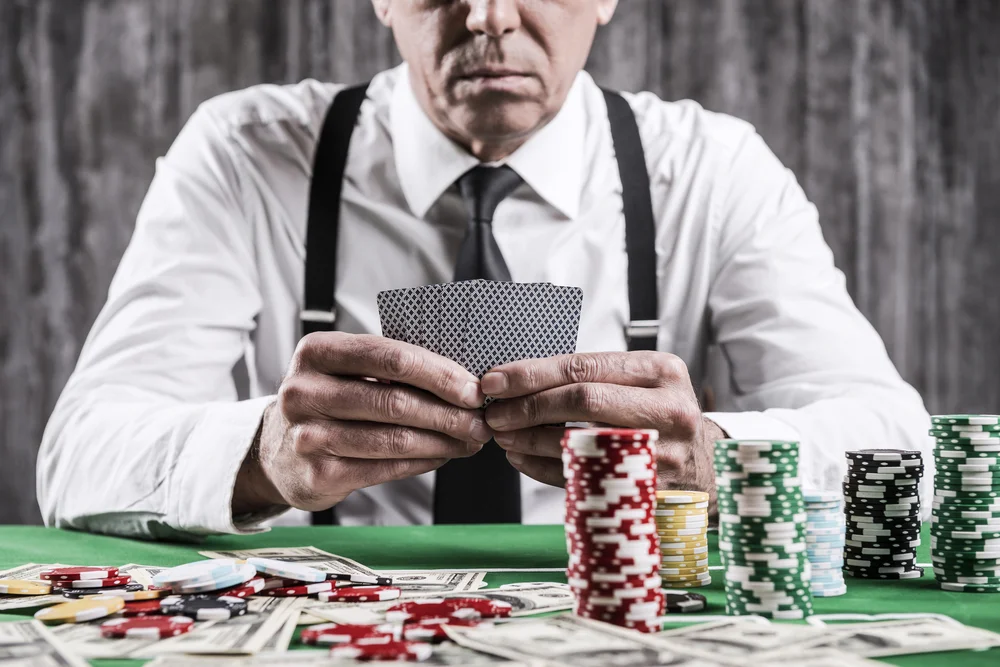
No matter how conscious people are, they unconsciously repeat similar reactions. By recording opponents’ behavior patterns, you gradually see tendencies like “this person acts this way when…”
Observation points:
- Correlation between bet size and hand strength
- Response speed after checking
- Habits during crucial moments (placing hands on table, looking away, etc.)
Accumulating such records allows you to form hypotheses like “in this situation, they should have strong cards,” significantly improving reading accuracy.
Summary
Psychological warfare in poker isn’t simply about reading each other—it’s built on multiple overlapping elements: observation, acting, and memory. The five techniques introduced today:
- Intentionally vary timing
- Create routines to maintain expressionlessness
- Perfect acting that induces reverse psychology
- Become sensitive to micro-expressions
- Continuously record opponent tendencies
Practicing these allows you to draw the game flow to your own pace. Those who master psychological warfare master poker—this is no exaggeration.
FAQ
Q. Can psychological warfare alone make you win?
A. While psychological warfare is a major element, you need to make judgments combining strategy, probability, and situational awareness.
Q. Are there tips for spotting bluffs?
A. Focus on gaps between opponent’s behavior patterns and their immediate actions—this makes it easier to detect bluffing possibilities.
Q. I’m bad at hiding expressions…
A. Rather than forcing yourself to hide them, developing habits of “always behaving the same way” becomes more natural and harder to read.
Q. Are there ways to practice psychological warfare?
A. Beyond actual play, you can sharpen your senses by observing matches on video and watching people’s reactions in daily life. Micro-expression practice is particularly effective using mirrors or recordings.
📚 More Articles to Read Next
- Complete Guide to Memorizing Poker Hands | Strength, Types Quick Reference Char
- How to Get Better at Poker | Step Guide from Beginner to Advanced
- The Latest 2025 Poker Course for Beginners
- KKPoker Complete Guide 2026: Registration, Invitation Codes, Deposits, Bonuses
- A Serious Approach to Poker: Strategy, Mindset, Rules, and Tournaments